Emergency discomfort is not clean. It gets here in layers, shaped by physiology, anxiety, context, and the clock. I have actually enjoyed a calm teen grit teeth with a fractured span, and an older guy spiral from an easy hip fracture right into delirium because his pain was underestimated and undertreated. PUAEME008, the nationwide device commonly known as Supply Discomfort Monitoring, exists to close that gap between concept and the bedside. When educated and used well, it outfits clinicians and responders to bring relief swiftly, securely, and consistently.

This is not almost pressing analgesics. It is about organized assessment under stress, picking the best technique for the person in front of you, and having the operational technique to record, hand over, and review. If you are taking a look at a discomfort management course, whether as part of prehospital training or a hospital-based upskill, recognizing just how PUAEME008 plays out in the area assists you select sensibly and experiment confidence.
What PUAEME008 truly covers
On paper, PUAEME008 Provide Pain Monitoring sets performance criteria around assessing pain, carrying out authorized analgesia, keeping track of feedbacks, and communicating successfully with receiving groups. In technique, the unit is a scaffold for judgment. It requires you to integrate clinical pattern recognition with plan literacy and human communication.
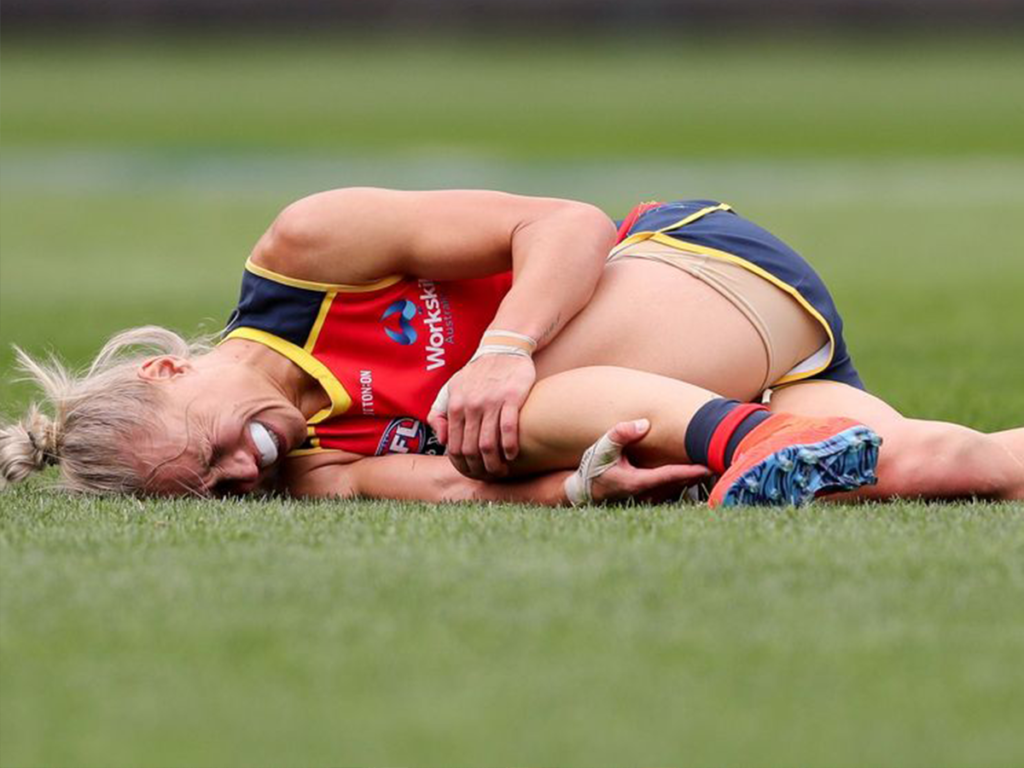
The core consists of: building a reliable pain background under time pressure; utilizing verified tools such as mathematical ranking ranges, Wong-Baker faces for kids, and behavioral signs for clients that can not self-report; preparing and supplying anesthetics within your range; and observing, documenting, and intensifying when the training course differs plan. It is typically packed into discomfort monitoring training programs for paramedics, event paramedics, first responders in remote market, and some severe treatment nurses, although the certain pharmacology and devices differ by jurisdiction.
I have seen two students with similar created scores carry out really in a different way when driving. The one that stood out asked one more inquiry, inspected another important indication, and bargained with the individual as opposed to dealing with the graph. That is the difference PUAEME008 aims to cultivate.
Pain assessment when secs matter
A structured analysis does not indicate slow. Succeeded, it becomes a pattern you can run while relocating down a hallway or filling a patient right into a car. Start by securing the fundamentals: place, start, character, strength, radiation, association with motion or breathing, and any red flags such as syncope, lack of breath, or neurological deficiencies. A lot of medical professionals quit after a single numerical score. Numbers without context mislead. A "4 out of 10" from a stoic farmer with a flail breast does not equal a "7 out of 10" from a youngster with a sprained ankle.
Observe for nonverbal hints. Guarding, pallor, diaphoresis, tachycardia, transformed respiratory system pattern, and frustration fill in gaps when an individual can not give detail. For youngsters under seven or for nonverbal grownups, behavior scales are typically much more exact than attempting to force a number. PUAEME008 emphasises these choices, and an excellent pain administration program will pierce them up until they are second nature.
Reassessment is where lots of novices slide. Pain hardly ever holds still. Activity, splinting, oxygen, or even confidence can change it. Recheck after interventions at intervals set by your procedure, typically every 5 to 10 mins originally, after that much less frequently as soon as secure. Paper not only ball game, but the client's language. "Really feels less sharp, extra stress." Those words issue, especially when handing over.
Pharmacology within scope: alternatives and trade-offs
Protocols establish what you can give. Within PUAEME008 supply pain monitoring frameworks, the normal suspects include breathed in methoxyflurane, fentanyl (intranasal or intravenous), morphine, ketamine in sub-dissociative doses, nitrous oxide 50-50 blends, and dental agents where time and GI condition permit. Each has pleasant areas and pitfalls.
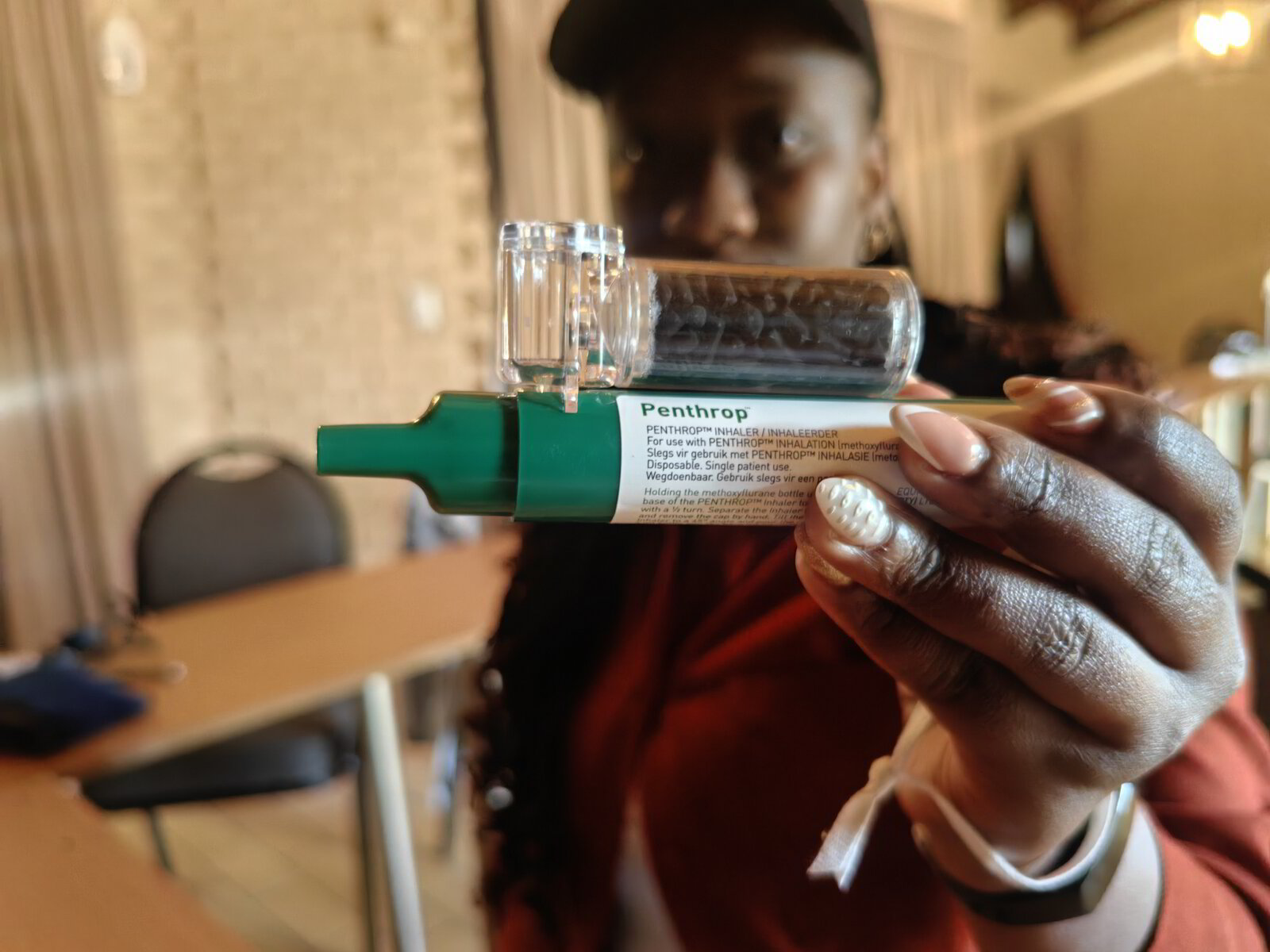
Methoxyflurane acquires time. It is quick to provide, mobile, and well endured. I have used it on a hill while awaiting a stretcher, its acquainted apple-pear scent a small comfort on a negative day. It is excellent for modest distressing discomfort when IV access is delayed or otherwise required. It is less optimal for clients with substantial respiratory system compromise or prolonged management needs.
Intranasal fentanyl is a workhorse for quick analgesia without IV. It radiates in pediatric fractures and adult limb injuries, with a tidy pharmacokinetic profile and easy titration. Expect breathing anxiety, specifically in older grownups or when integrated with sedatives. Clear interaction with your partner protects against stacking doses as well fast.
Morphine continues to be reputable for extreme discomfort, however it demands cautious titration and monitoring for hypotension and oversedation. I conserve IV morphine for people that need sustained relief and in settings where continuous surveillance is feasible. It sets well with antiemetics in clients susceptible to nausea.
Sub-dissociative ketamine has grown in popularity because it protects airway reflexes while supplying solid analgesia and decreasing opioid demands. It can produce dysphoria or development phenomena, which are disturbing if you have actually not prepared the person. A peaceful description and a tranquil tone decrease that risk. Ketamine likewise helps in people with hypotension where opioids may aggravate hemodynamics.
Nitrous oxide is effective and acquainted in some systems, less available in others. It requires person collaboration and is poorly matched to those with breast injuries or believed pneumothorax. In the ideal case, it offers fast control with very little residual effects.
Nonpharmacological complements usually obtain buried under the excitement of drugs, yet they pay returns. Splint well. Pad stress factors. Use ice bags judiciously. Readjust the setting, dark harsh lights in migraine headache, limit unnecessary movement. A well-applied vacuum splint can decrease a discomfort score by 2 factors before any type of drug reaches the bloodstream.
Scope and policy: understanding the edges
PUAEME008 does not provide carte blanche. Your employer's medical instructions and local regulation determine which agents and paths are acceptable. The most safe medical professionals are those that understand their side cases by heart. Usual policy supports consist of minimum age thresholds for methoxyflurane, cumulative dosage restrictions for fentanyl and morphine, contraindications for ketamine in particular psychoses or unchecked hypertension, and oxygen demands for nitrous oxide delivery.
When doubtful, call early for clinical assessment if your system permits it. I once took care of a young person with a femoral fracture that had taken unknown recreational compounds. The mix of stimulant toxicity and trauma made opioid dosing treacherous. A quick get in touch with sustained a ketamine-first strategy with traditional titration and constant tracking. Profundity in these tight corners originates from training and from admitting uncertainty when it matters.
Communication as an analgesic
Tone changes physiology. Self-respect reduces supportive drive. Basic, honest sentences minimize worry. "You are safe. We are mosting likely to manage your discomfort. You will certainly have the ability to breathe." I have seen discomfort ratings drop a notch with those words alone.
Trust likewise safeguards versus dosing errors. When a patient believes you are listening, they share important information: last dosage of Click for more info oxycodone, patches on their skin, a background of opioid-induced apnea, or poorly regulated rest apnea. For older adults, verify medicine checklists and inquire about anticoagulants, as hemorrhaging danger can improve your functioning diagnosis and affect your choice of analgesic and transport priority.
The handover cements treatment connection. A valuable handover narrates: mechanism of injury or beginning context, standard pain summary, modifications after each treatment, overall doses with timing, vitals trends, and any kind of adverse effects. A rushed recitation of numbers without arc leaves the obtaining group rebuilding your logic. Solid PUAEME008 training insists on that narrative clarity.
Special populaces that evaluate your craft
Pediatrics often frightens brand-new medical professionals. The antidote is prep work. Use weight-based dosing graphes, keep intranasal tools accessible, and get caretakers to hold and relax. Kids mirror adult anxiety. If you remain consistent, they will commonly resolve sufficient to approve splinting and intranasal analgesia without tears. Watch for dehydration in prolonged abdominal discomfort, and prevent duplicating intrusive efforts that can wait for a regulated environment.
Older grownups present a various problem. Their discomfort resistance differs commonly, and their physiology conceals problem. A minor fall with rib cracks can spiral into hypoventilation and pneumonia if pain is undertreated. Equilibrium effective analgesia with autumn risk and ecstasy prevention. Low-dose titrated opioids or ketamine, aggressive regional support where readily available, and very early involvement of getting teams make a difference.
Pregnancy changes everything from gastric emptying to breathing get. Usage left side tilt when practical, display fetal motions if progressed pregnancy, and choose representatives with known safety and security profiles in your system. Nonpharmacologic steps and regional blocks, if within scope and skill, can save systemic medicine exposure.
For people with compound usage conditions, assume a higher baseline resistance and a greater threat of respiratory system anxiety if sedatives or alcohol are on board. Offer analgesia without judgment, but plan for air passage support. Involving allied health early, when feasible, improves longer-term end results and lowers the revolving door effect.
When the medical diagnosis conceals under the pain
Not every unpleasant discussion is a green light for full-dose opioids. Acute abdominal areas with unclear etiology, serious headache with neurologic adjustments, or chest pain with hemodynamic instability each require a calculated pace. The old myth that analgesia covers diagnosis has been mostly disproved, yet timing and choice of agent still matter.
For believed stomach disasters, moderate, titrated analgesia combined with mindful reassessment maintains test utility while respecting the individual's distress. In extreme headache with warnings, treat pain while moving promptly towards definitive imaging and helpful treatment, guarding against oversedation that might cloud neurologic assessments. Chest pain needs synchronized analgesia and antiplatelet or anticoagulant treatment per procedure, alongside rhythm surveillance and nitrates if shown. Great treatment lives in combination, out single-track thinking.
Training that adjustments exactly how you practice
The finest discomfort administration courses construct muscle memory under sensible constraints. Manikins and case circumstances are useful, but absolutely nothing replaces online, unpleasant technique: making a decision dosing while the high blood pressure alarm system tweets, training breathing through tightenings while a second individual calls your name, or weighing the risks of another fentanyl aliquot in a client whose oxygen saturation just dipped.
When choosing a pain administration certification program, look for programs that combine:
- Scenario-based simulations that need prioritization, reassessment, and handover under time pressure Pharmacology sessions that teach system, interactions, and adverse event monitoring, not just dosing tables
Assessment needs to be greater than a composed examination. Competency demos, medicine preparation drills, adverse event acknowledgment, and communication situations disclose whether discovering translates to action. For registered nurses branching right into immediate treatment or access atmospheres, discomfort management courses for registered nurses that incorporate PUAEME008 competencies with triage systems and neighborhood formularies give the very best worth. Physio therapists working in intense musculoskeletal setups additionally gain from discomfort administration training courses for physio therapists that emphasize nonpharmacologic methods along with interdisciplinary coordination; if pharmacologic management is out of scope, the training must still cover acknowledgment of undertreatment and acceleration pathways.
Short training courses hurting monitoring can be worthwhile, but check that "short" does not imply shallow. A focused one-day program can deliver targeted skills, for instance, intranasal analgesia in pediatrics or ketamine titration for injury, provided it consists of monitored technique and post-course mentoring. A certification program suffering monitoring that guarantees wide capability must include supervised clinical time or robust simulation to warrant a pain administration certification.
Documentation shields people and clinicians
No one appreciates documentation in the warmth of practice, but a clean record becomes part of the treatment. It informs the following medical professional what functioned and what did not, it protects the individual from copied dosing, and it shields you when end results are examined days later.
Elements to record consist of the baseline pain summary, purpose indicators, the reasoning for representative choice, dosage and time, path, patient action, vitals patterns, unfavorable events and mitigation, and the material of the handover. If you differed a basic sequence as a result of a patient-specific variable, write the factor in a full sentence. That routine constructs trust in your medical judgment.
Building a culture of prompt analgesia
Individuals can exercise well, yet systems still stop working individuals if society punishes analgesia as risky or optional. I have worked in services where discomfort relief called for three signatures, and the predictable outcome was suffering. It took a data-driven argument to alter minds: time to very first analgesia stopped by 40 percent after method simplification, and there was no increase in respiratory concession when keeping track of standards were maintained. The leadership after that embedded analgesia metrics right into quality dashboards, and the society shifted.
If you remain in a setting to affect plan, supporter for very easy accessibility to approved agents, standard checklists for prep work and monitoring, and routine instance evaluates that focus on finding out instead of blame. Tie pain metrics to person experience responses, not as a rating to chase thoughtlessly, yet as one important indicator of caring care.
Practical suggestions from the field
Over years of mentor PUAEME008 give discomfort monitoring, a few tiny habits maintain paying off.
- Prime your set for the first ten mins. Maintain intranasal atomizers preloaded and classified by dosage variety, methoxyflurane within reach, and tape pre-cut for splints. The faster you can act, the cleaner your decision-making.
Practice a dose-talk manuscript. People and families loosen up when they hear confident, constant descriptions: call the drug, expected benefits, usual negative effects, and what you will do to monitor.
Think in sets. One medical professional prepares and carries out, the various other watches respiratory tract, air flow, and psychological condition. Also in a tiny team, designate duties explicitly for risky moments.
Use the discomfort range as a conversation starter, not a judgment. Ask what number would certainly allow them relocate or breathe more easily, then aim for that target rather than zero.
Plan the next action before you provide the current one. If this dosage does not function, what is your second line, what are the contraindications, and when will certainly you reassess?
Those micro-skills make the difference in between confident care and disorderly improvisation.
Where PUAEME008 fits amongst broader certifications
Many medical professionals gather badges, and not all badges translate to far better treatment. A discomfort monitoring certificate proves you have actually met a standard, but recurring competence comes from deliberate method. If you are considering a discomfort management qualification course, align it with your work environment. Prehospital medical professionals gain from programs linked to real operational medication checklists, gadgets, and documents systems. Hospital-based staff might favor modules that cover nerve blocks, infusion pumps, and multimodal analgesia pathways.
For registered nurses in urgent care or ED triage roles, discomfort management training for nurses that mixes pharmacology, trauma evaluation, and interaction training improves both throughput and patient satisfaction. For allied health and wellness experts, a pain management certificate training course can clear up limits and rise pathways, avoiding unsafe hold-ups when pharmacologic pain control is appropriate.
The highest-yield programs close the loop with mentorship. A solitary day of lectures does not alter reflexes. A month of on-shift coaching does.
Measuring success past the pain score
Pain scores move the needle, yet they are not the only result worth monitoring. I look for less unscheduled returns due to inadequate analgesia, shorter time to mobilization in basic fractures, lower incidence of oxygen desaturation during opioid use, and much better handover clarity. Person comments tell you greater than survey numerics. If individuals discuss feeling heard, safe, and supported, your analgesia method is likely sound.
Systems that installed PUAEME008 standards see downstream gains in sedation security, reduced agitation during transport, and tighter synergy. Those gains compound. Much less chaos indicates less errors, and less errors imply even more power for the following client who requires your ideal judgment.
Final ideas from the sharp end
Pain is a scientific problem and a moral one. When a person counts on you with their suffering, they are not requesting heroics. They are requesting attention, skill, and follow-through. PUAEME008 codifies that contract right into proficiencies you can practice, test, and refine.
If you are selecting amongst discomfort monitoring training courses, select the one that demands your visibility, not just your participation. Ask how they show emergency discomfort management under practical restrictions, how they examine communication, and exactly how they maintain your skills active after the certification is framed. Whether you are discovering an offer discomfort management course as your first step or adding a pain monitoring certification to a well established job, treat the unit as the beginning of a routine: evaluate with inquisitiveness, treat with precision, and circle back to see if you really helped.
The days that stick with me are not the large saves. They are the quiet wins, like the distressed kid that was laughing by the time we reached radiology due to the fact that somebody took five added mins to clarify the intranasal spray and hold a hand. That is the typical worth training for, and the assurance behind any training course that asserts to teach discomfort well.